
ICELIS Global was privileged to participate in diverse major high-level sessions during the 14th United Nations Forum on Business and Human Rights (UN BHR Forum) held from November 24-26, 2025 in Geneva. The forum focused on due diligence, digital rights, AI, and climate justice, bringing together global stakeholders to advance the UN Guiding Principles on Business and Human Rights. We break down ICELIS’ role in each of these sessions below:
UNDP
Icelis Global, represented by Founder & CEO Elena Athwal and Sara Faraj, participated in the UNDP session “From Risk to Responsibility – Redefining the Financial Sector’s Role in Combatting Modern Slavery”. The session featured a keynote by Professor Damilola S. Olawuyi, SAN, FCIArb, and focused on how the financial sector can drive accountability and change in tackling modern slavery risks.
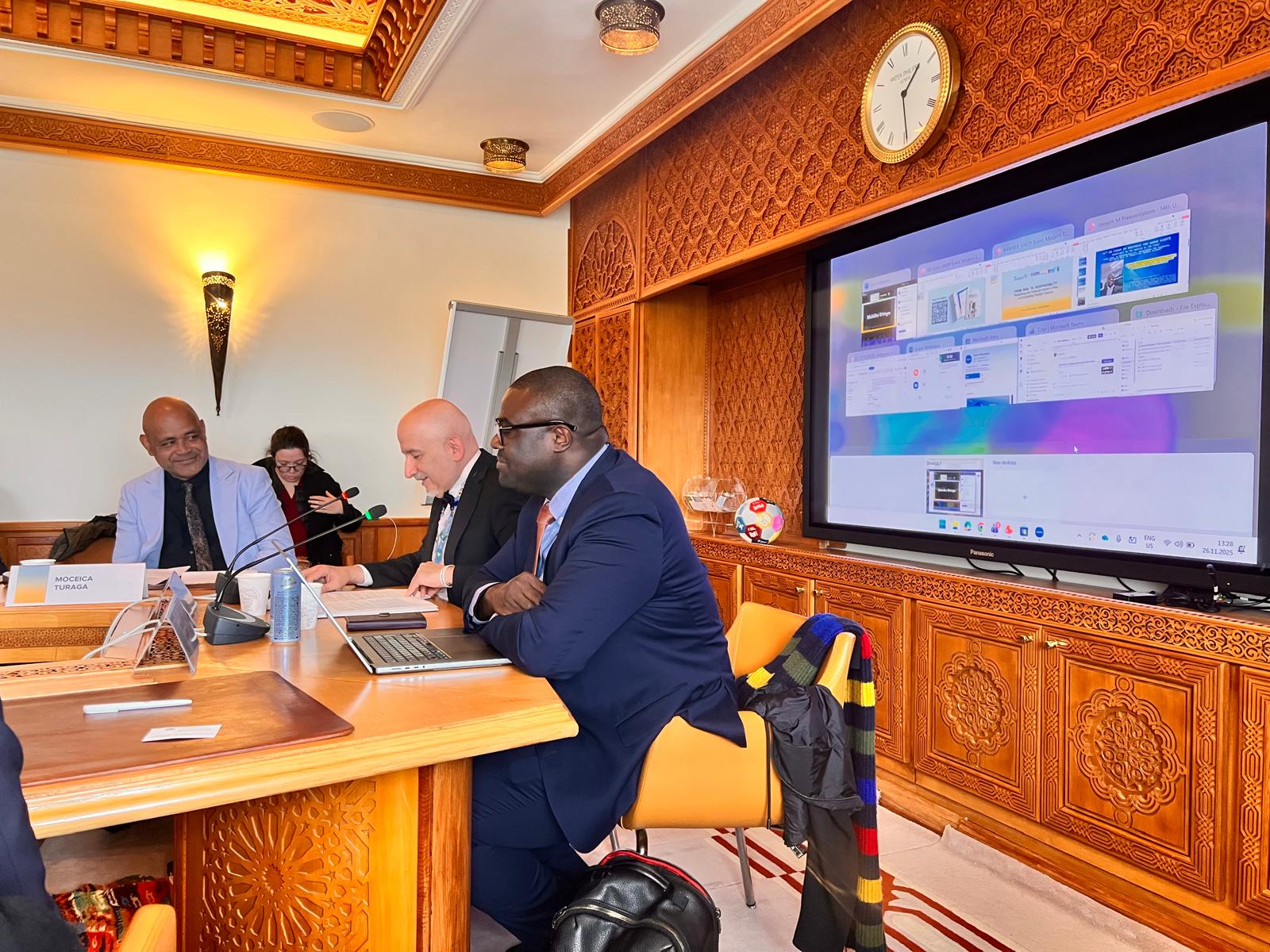
Speakers included Professor Damilola S. Olawuyi, Tomoya Obokata, Eleanor Sanders, Frank Büchel, Livio Sarandrea, Saskia Wilks, Moe Turaga, Florencia S. Wegher Osci, Maartje van Aardenne, Luisa Bernal, Malaika Oringo (Human Trafficking Expert), and Dr. Sofía González De Aguinaga, PhD.
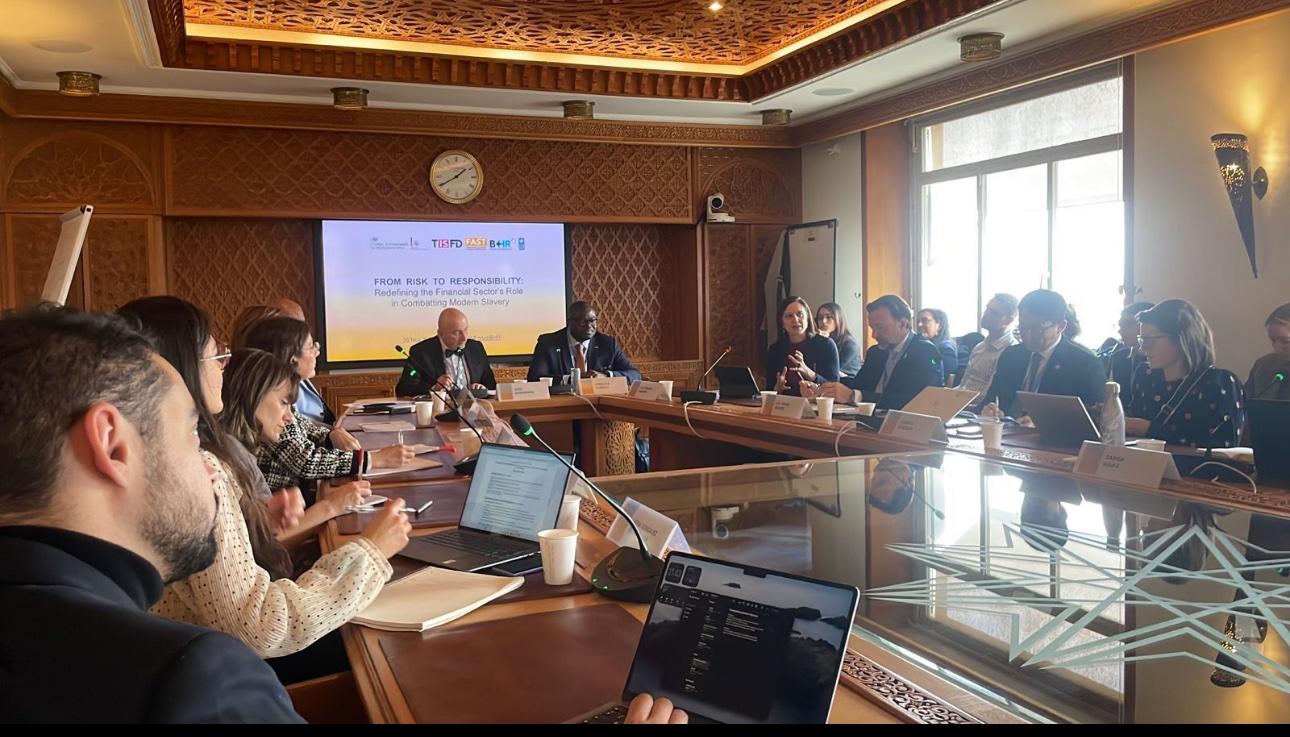
The discussion emphasized survivor-centered approaches, investor stewardship, and enhanced due diligence across financial portfolios. It highlighted moving beyond risk identification to systemic, rights-focused actions that transform markets and protect vulnerable communities. The session also launched UNDP’s new Investor Brief to embed survivor perspectives in financial decision-making frameworks.
MENA
The MENA high-level session on advancing the United Nations Guiding Principles on Business and Human Rights (UNGPs) across the MENA region. The discussion, expertly moderated by Professor Damilola S. Olawuyi, SAN, FCIArb, Vice Chair of the UN Working Group on Business and Human Rights and UNESCO Chair on Environmental Law and Sustainable Development at Hamad Bin Khalifa University, provided a timely and nuanced exploration of how states, businesses, and civil society can uphold human rights amid overlapping regional crises.
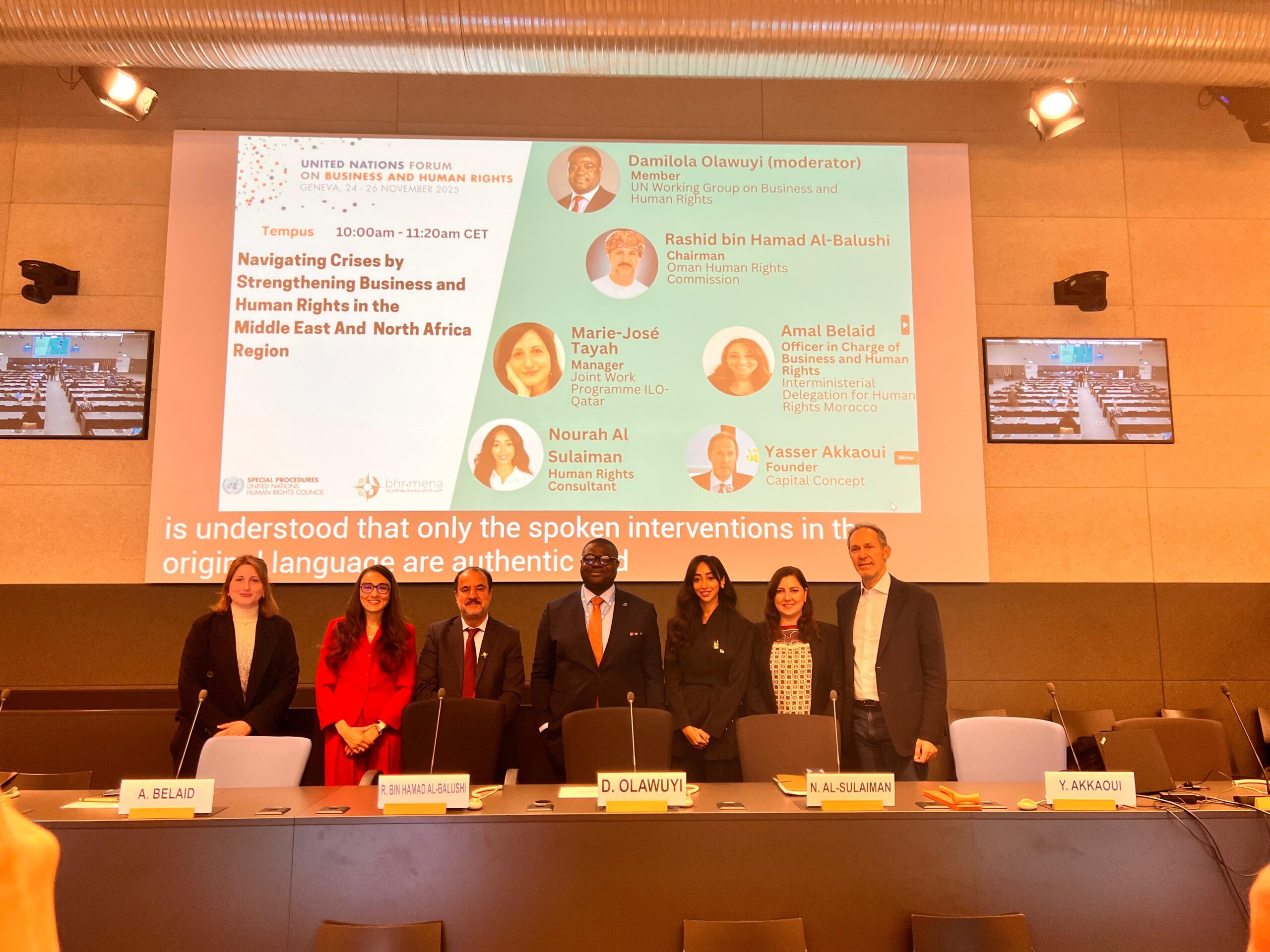
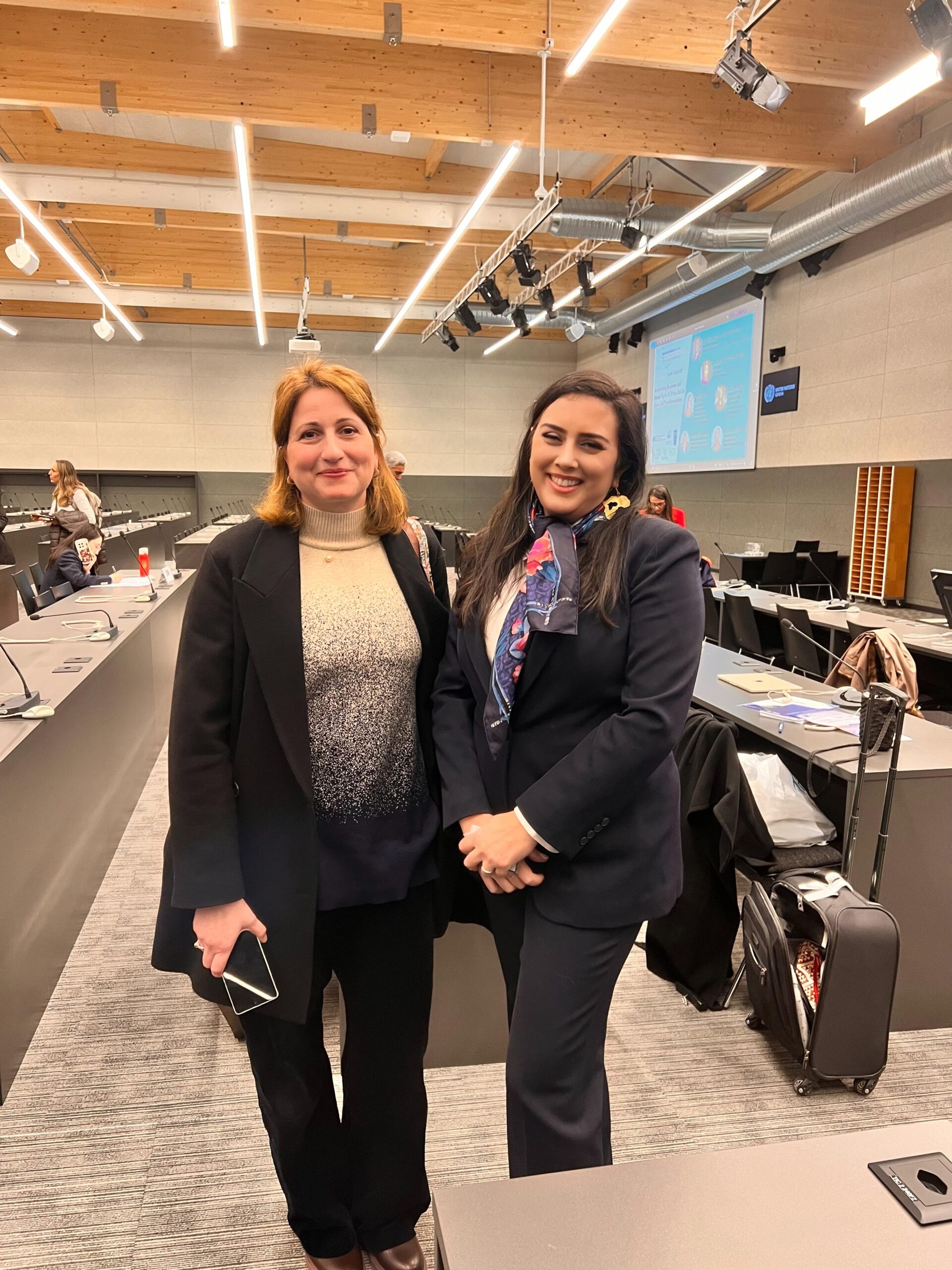
A particularly meaningful moment came from Sara Faraj, representing ICELIS Global, who raised a critical intervention on the need to shift from remedy to prevention in protecting migrant workers, especially those displaced from conflict-affected zones. She underscored the importance of binding judicial procedures, but also emphasized that true protection must begin before harm occurs through early legal-rights education, accessible information pathways, and transparent, enforceable safeguards against exploitation.
Co-organized by Business and Human Rights MENA (BHRMENA) الأعمال التجارية وحقوق الإنسان, this session highlighted sector-specific human rights due diligence in high-risk contexts, the development of National Action Plans, stakeholder engagement, and remedy mechanisms. Panelists shared practical insights on fostering accountability, resilience, and human rights-centered approaches in the MENA region.
Africa
The Africa panel session moderated by Professor Damilola S. Olawuyi, SAN, FCIArb, Vice Chair of the UN Working Group on Business and Human Rights, and UNESCO Chair on Environmental Law and Sustainable Development at HBKU examined how overlapping economic, social, environmental, and governance crises are deepening vulnerabilities across key sectors in Africa— from extractives and agriculture to raw materials and manufacturing.
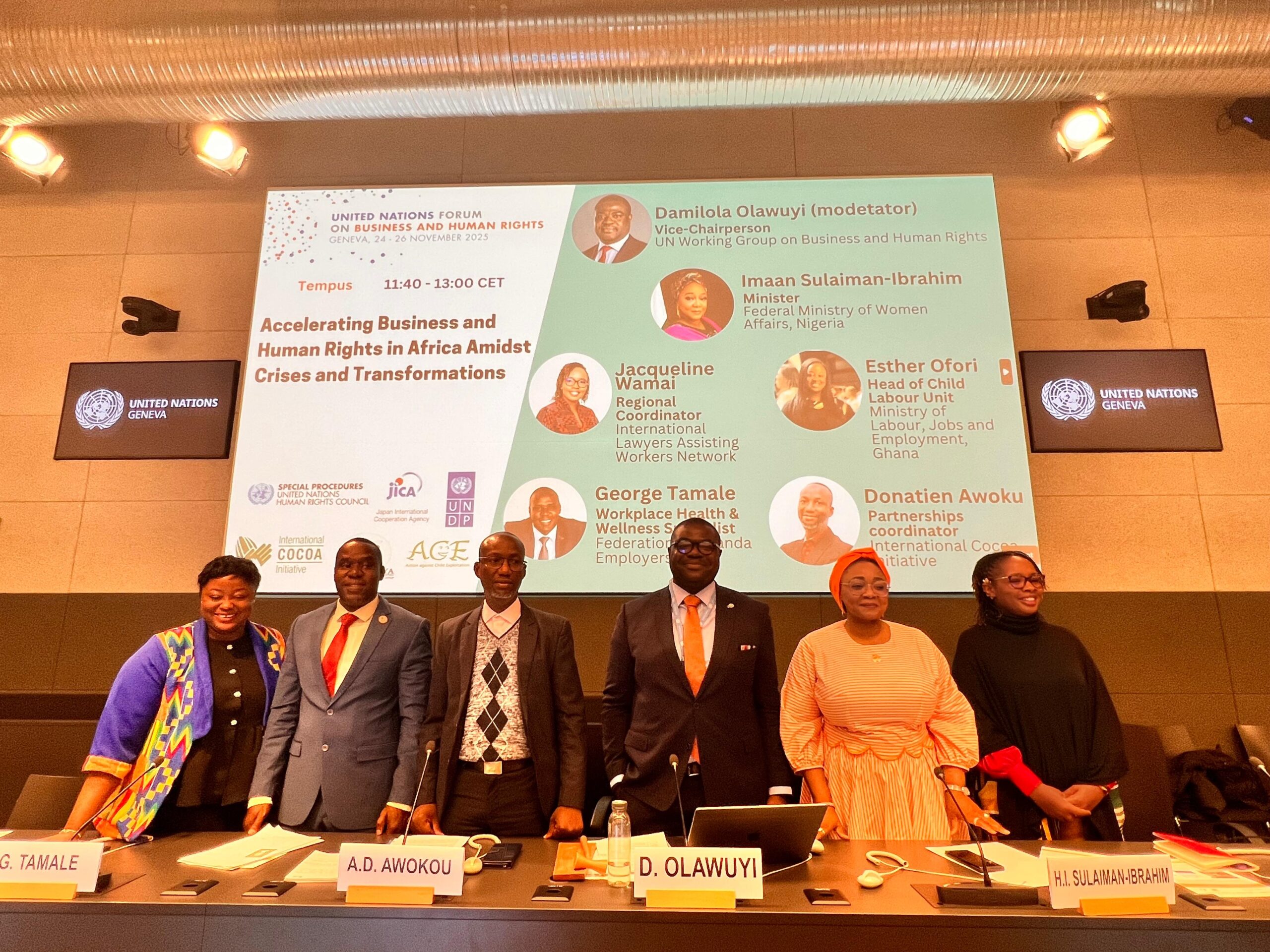
Co-organized by CIAG KENYA Community Initiative Action Group Kenya (CIAG-K), Friedrich-Ebert-Stiftung Africa, ACE (Action against Child Exploitation), Japan International Cooperation Agency (JICA), International Cocoa Initiative, and the United Nations Development Programme (UNDP), the session offered practical insights from experts working across Africa to advance rights-based business practices in times of instability and transformation.
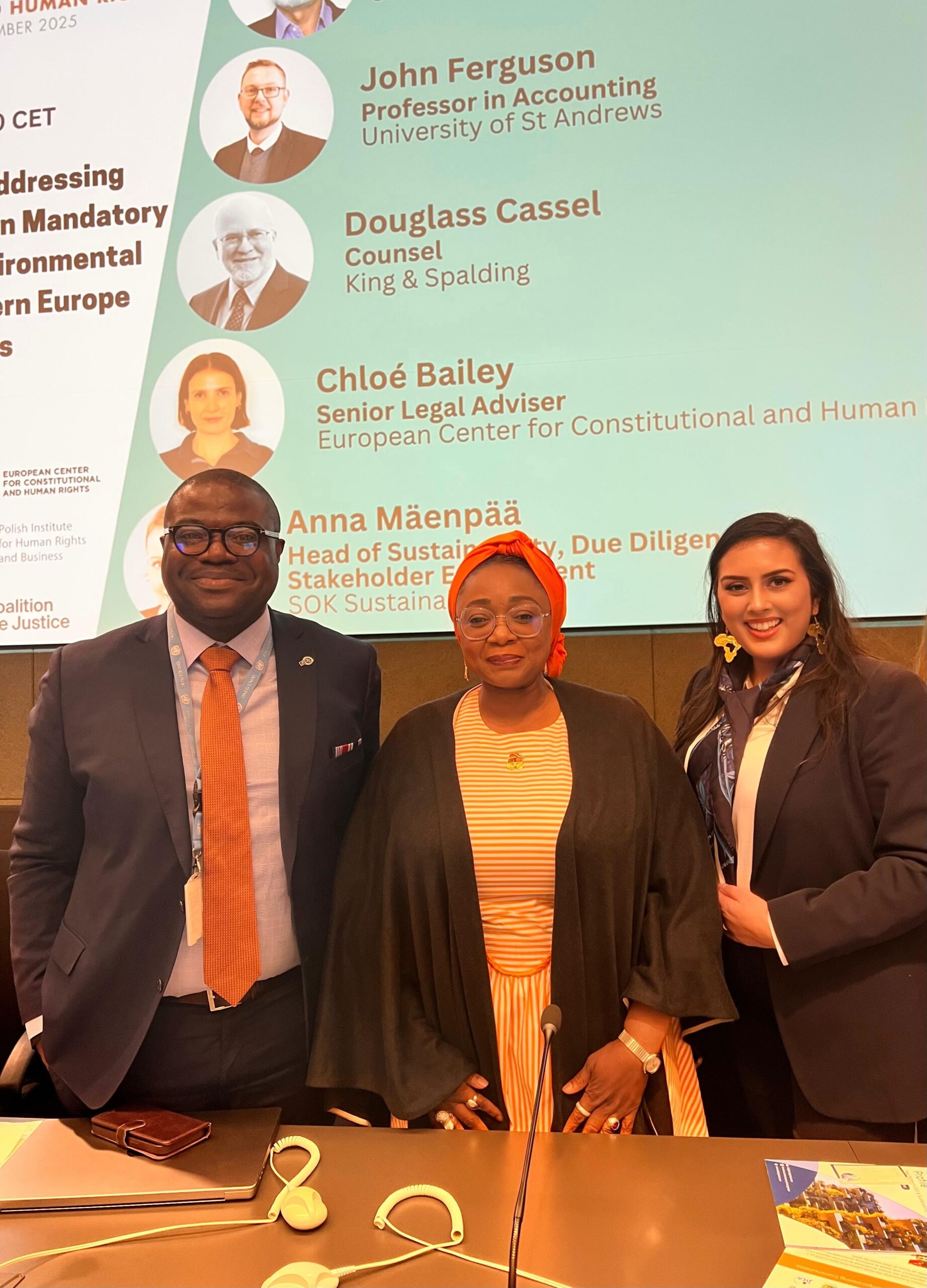
The session also illuminated critical themes shaping Africa’s BHR future: tackling persistent implementation gaps across national and regional frameworks; strengthening human rights due diligence in fragile and high-risk environments; protecting individuals and communities most at risk; empowering locally led mechanisms for accountability; and building rights-based resilience amid complex and overlapping crises.
ICELIS Global remains committed to advancing responsible investment, ethical finance, and human-rights-centered approaches across emerging markets. We are proud to stand with partners and global experts dedicated to ending modern slavery through stronger governance, accountability, and survivor-led solutions.